Blog

Your blog category

Patio Laying Cost

UK | Patio Laying Cost » Price List · Free Quotes | 2024 Building a patio is a popular way to get more living space and increase the quality of life, especially in the warmer months. Find out here how much the patio laying cost per square metre is in the UK and how to save money. Plus: Get free estimates! How much does patio laying cost in the UK? Although the patio laying costs can vary greatly depending on the terrain, type of construction and material chosen, they are often in the range of £80 – £160 per m2. However, the costs can also be significantly higher, especially if higher-priced materials such as natural stone or slate are used. In this case, the material alone costs at least £60 per square metre. ON AVERAGE: £80 – £160 PER M2 The costs vary not only for the material, but also for the sub-base. Constructing a sub-base made of sand, crushed stone and gravel for a patio made of concrete, brick or (natural) stone, including excavation, removal and disposal of the soil is in the range of £40 – £80 per square metre. The labour costs for laying a patio are usually in the range of £35 – £70 per square metre. While concrete slabs or pavers can be laid relatively quickly and inexpensively, the work for many natural stone variants and complex laying patterns is more expensive. The general rule is: the larger and simpler the individual slabs/boards/stones are and how they are arranged, the lower the costs. For a better overview, we have prepared a cost example with concrete blocks for a 25 square metre patio. The work will be carried out by a specialist company near London. All figures given are estimates including VAT and may of course vary. Example: Patio laying cost – concrete blocks, 25 sqm     1 m2 25 m2       Excavation £15 £375 Removal and disposal £7 £175 Sub-base of sand, crushed stone, gravel £35 £875 Setting of kerbstones £8 £200 Concrete blocks (higher quality) £25 £625 Labour costs £35 £875       Total cost £125 £3,125     Save money: Compare patio laying prices in your area! There are now platforms that help you compare prices of contractors and find the best value for money in your area quickly and easily. A recommendable service is that of Bark. It only takes a few clicks to fill out the form. Whether you accept one of the offers or leave it at the price overview is up to you. The service is non-binding and free of charge. Click here Material: What options are there and what do they cost? There are various materials that can be considered for laying a patio. Each of them has different strengths and weaknesses and comes with different costs. The following is an overview of the most popular options: » Concrete, from £20 per sqm Concrete is one of the most popular options for patios, which is certainly due to its price, as concrete slabs or concrete block paving are among the most affordable options. Concrete offers comprehensive moisture protection and concrete slabs are easy to move and replace. Concrete is also very weather resistant. On the other hand, concrete is not everyone’s taste and is limited in terms of design and flexibility. Concrete also tends to fade over time. » Brick, from £25 per sqm Another popular material in the lower price segment is brick. It is resistant to scratches and damage and relatively easy to repair. However, brick can be a little more difficult to lay, which can slightly increase labour costs. Regular maintenance is also necessary, as the surface should be resealed from time to time. Although brick is also weather resistant, it can show weaknesses when exposed to frost. » Slate, from £60 per sqm Slate is one of the higher-priced options, but is particularly popular because of its appearance. In addition, slate retains its colour much longer and does not fade, especially in comparison to concrete. However, slate is also somewhat more vulnerable to scratches and, due to its surface structure, small icy areas can occur in winter. » Natural stone, from £50 per sqm Natural stone is also popular because of its noble appearance and is one of the most durable options. Although the costs are significantly higher (prices of £100+ per square metre are possible here), they can be profitable, especially because of this durability. With natural stone, a wide variety of designs are also possible. However, due to its natural, uneven surface, natural stone is somewhat more susceptible to green infestation such as weeds. Which factors influence the cost of laying a patio? The exact patio laying costs are difficult to generalise and depend on several factors. The following is an overview of the biggest cost factors: » Material of the patio Whether concrete, brick or natural stone – depending on the material chosen, the costs can vary considerably. Concrete is the cheapest option, natural stone the most expensive. In addition, the chosen material influences the costs for the sub-base. » The sub-base The type and cost of the sub-base are closely related to the material chosen. Depending on the material used, a different sub-base may be required. » Size of the terrace A very simple point, but also decisive. Although the price per square metre decreases with increasing size, the total costs increase. » Region and hourly rate of the tradesmen The costs of having a patio laid can vary not only from region to region, but also from tradesman to tradesman. For this reason, it is always advisable to compare prices beforehand. » Condition of the terrain If a patio is to be laid, it is important that the ground is level. If the ground is not level, it must be levelled or constructed accordingly before laying the patio. » Difficulty of the construction Finally, the difficulty of construction can also affect the patio laying cost. A patio

Patio Laying Cost Read More »

Garden Decking

Garden Decking Cost » Price List · Free Quotes | 2024 – UK A wooden deck is not only visually appealing, but can also noticeably increase the quality of life and serve as a second living room, especially in summer. Read here how high the garden decking cost per square metre is in the UK and how to save money. Plus: Get free quotes! What does garden decking cost in the UK? Although the garden decking cost can vary considerably, on average it is around £100 – £200 per square metre in the UK. A decisive cost factor here is the choice of wood. The type of wood decking boards not only affects the material costs, but also the labour costs, because not all types of wood are equally easy to install. ON AVERAGE: £100 – £200 PER M2 Particularly hard, dense types of wood such as oak or tropical woods such as bangkirai, ipe and teak are somewhat more time-consuming to cut and install. The price range for the different types of wood is enormous and can range from inexpensive pine planks from £30 per square metre to over £100 per square metre for bamboo and oak. Popular types of wood are reddish-brown Douglas fir and light-brown larch (from £40 per m2 each) as well as hard and weather-resistant tropical woods such as Bangkirai, Ipe or Teak (from approx. £70 per m2). WPC decking boards, which are a material mix of wood and plastic, are also becoming increasingly popular. They have a very similar look and feel to wood, combined with the durability and low maintenance of an artificial material. WPC decking boards start at an affordable £30 per square metre. In addition, if necessary, costs for a stable foundation, the substructure and installation materials cost around £50 – £100 per m² for wooden decking. The decking installation costs vary depending on the type of timber, as the cutting process requires different amounts of work. While wood types such as larch or douglas fir can have low installation costs of around £30 – £40 per m², the costs for harder woods such as oak or bangkirai can be £45 – £70 per m². For a better understanding of how the total costs for a wooden deck are made up, we have listed a cost example for a 15 m² wooden garden deck made of bangkirai decking boards. The figures listed here are only estimates, including VAT, and may of course vary. Example: Garden decking cost – 15 m² – Bangkirai 1 m2 15 m2 Load-bearing foundation £35 £525 Substructure £25 £375 Assembly material £20 £300 Bangkirai decking boards £65 £975 Laying incl. cutting £40 £600 Total cost £185 £2,775   Save money: Compare garden decking prices in your area! There are now platforms that help you compare prices of contractors and find the best value for money in your area quickly and easily. A recommendable service is that of Bark. It only takes a few clicks to fill out the form. Whether you accept one of the offers or leave it at the price overview is up to you. The service is non-binding and free of charge. Click here What factors influence the cost of a wooden deck? Although, as mentioned above, the choice of wood type plays a very decisive role, there are other factors that influence the final garden decking costs. The most important cost factors are: The choice of wood type (affects both material and labour costs) The size of the terrace The condition of the subsoil or foundation Does the floor need to be levelled beforehand? The type of substructure The hourly rate of the craftsmen (including regional price differences) Is there a flat rate for travel expenses? Travel costs or flat rate (if not included)   Which types of wood are particularly popular for decking? In order to give a small overview of which types of wood are particularly popular and suitable for a wooden deck, we have compiled a small list and also go into the respective strengths and weaknesses as well as the costs. » Pine, from £30 per sqm Natural pine wood offers a unique feel and finish. Pine floors are popular because of their comparatively low price and rustic look. The problem with pine wood is that it is relatively soft and requires regular maintenance. However, this also makes it quicker and easier to work with than harder types of wood. With proper treatment, however, pine can also be durable for a long time. Pine comes in a variety of colours and grains and is also available from sustainably sourced woods. Prices for pine start from around £30 per sqm. » Larch and Douglas fir, from £40 per sqm The woods larch (light brown) and Douglas fir (dark reddish brown) are among the most popular types of wood for decking. They have similar advantages and disadvantages as pine, but are more durable. Because they are also somewhat softer, they are comparatively easy and quick to cut and install, which has a positive effect on labour costs. The costs for larch and Douglas fir start at around £40 per sqm. » Tropical woods such as Bangkirai, Teak, Ipe, Garapa and Massaranduba, from £65 per sqm The use of tropical woods is very popular, despite the higher costs. Woods such as Bangkirai, Teak, Garapa, Massaranduba and Ipe have a unique look, are extremely hard and resist all kinds of weather thanks to their high density. Their essential oils protect them from mould and fungal attack. They are also water repellent and any surface blemishes can be corrected by simple sanding. The excellent quality is reflected in the price of at least £65 per sqm, but tropical woods can be quite amortising due to their longevity. » Bamboo, from £80 per sqm Bamboo is even more expensive than Bangkirai and Co. Bamboo is popular because of its unique look and colour as well as its robust and resistant properties. Here, too, the labour costs for
Garden Decking Read More »

House, Outdoor

Gravel Driveway Cost » Per Sqm · Cost Example | 2024 – UK Gravel is a popular and relatively easy alternative for driveways. Find out what gravel driveway cost per square metre you can expect in the UK and how to save money. Plus: Get free estimates! What does a gravel driveway cost per sqm in the UK? The average cost of a gravel driveway ranges between £60 – £100 per square metre in the UK. The size of the area is very important. The price per square metre decreases as the area increases. A 30 sqm driveway will be more expensive per sqm than a 60 sqm gravel driveway. ON AVERAGE: £60 – £100 PER M2 The cost of the materials is around £35 – £55, while the labour costs are around £25 – £45 per sqm. The labour includes the excavation and removal of the earth, the construction of a sub-base of gravel and sand, and the desired top layer. The choice of gravel will also affect the cost. If the area needs to be levelled (maximum 10% slope), additional costs will also be incurred and a honeycomb stabiliser will be required. Below we have prepared a cost example for a 30 sqm gravel driveway. The driveway is located in a suburb of Manchester and the installation takes two days. All figures on this page are for guidance only including VAT and may vary. Example: Gravel driveway cost – 30 sqm     1 m2 30 m2       Material costs (gravel, sand, weed membrane, curbs, honeycomb stabiliser) £40 £1,200 Labour cost incl. excavation, waste removal £30 £900       Total cost £70 £2,100     Saving tip: Compare gravel driveway prices in your area! There are now platforms that help you compare prices of contractors and find the best value for money in your area quickly and easily. A recommendable service is that of Bark. It only takes a few clicks to fill out the form. Whether you accept one of the offers or leave it at the price overview is up to you. The service is non-binding and free of charge. Click here Which factors influence the cost of a gravel driveway? There are a number of factors that influence gravel driveway costs. We have summarised the most important ones here: How large is the total area? What is the total amount of gravel to be purchased? Are edging stones necessary? What type of gravel and what grain size is required? What exact material properties should the gravel have? Where will the gravel be purchased (e.g. wholesaler, DIY store)? What are the delivery costs for the material? The region in which the gravel driveway is to be constructed What is the hourly rate of the specialist company?   What are the biggest advantages of a gravel driveway? 1. Comparatively cheap Compared to completely paved driveways, the gravel variants are significantly less expensive. No special machines are needed and the material is comparatively cheap. Likewise, less specialised personnel is needed and the work is completed more quickly. 2. Large design selection You can choose from a wide variety of looks, as gravel can be found in many different colours and shapes. So it is possible to use a rustic variant for a romantic country house or go for completely grey or white gravel that suits a modern house. 3. No planning permission is required Another advantage of a gravel driveway is that no planning permission is required as gravel is a permeable material that allows drainage. Planning permission is required for non-permeable materials. What are the layers of a gravel driveway? Optimally, the layers consist of a weed membrane, a 30 – 50 cm thick gravel layer (can be cheaper gravel and serves as sub-base) and a 6 cm thick layer of sand so that the desired gravel does not connect with the sub-base. Then, soil honeycombs are laid as stabilising elements with a thickness of approx. 3 cm. Finally, a 2 cm thick top layer of gravel is laid on top. The desired decorative gravel is used here. The edges are to be additionally provided with angle stones so that the floor does not press apart under the load of a car. Be careful with slopes and gravel driveways Slopes of up to 10% can still be covered with gravel. However, a larger slope is no longer sustainable and would inevitably lead to a small landslide in the long run, after which a complete refilling would be necessary. Highly resilient honeycomb panels provide the necessary stability in case of a slope.   Installing a gravel driveway: How long does the work take? In most cases, the installation of a gravel driveway takes between 1-3 days. This mainly depends on the size of the area. The time span given assumes that the required materials have already been ordered and delivered in advance. Can I build the gravel driveway myself and save costs? In principle, this is possible, but special skills and knowledge are required. This is especially true for the construction of the sub-base. Excavation must also be carried out at the correct depth. Know-how is also required for a slope. Compare gravel driveway costs in your area and save money Even in the same city the gravel driveway costs can vary significantly from company to company. To save time and effort and to find the best price-performance ratio in your area, it is worthwhile making a price comparison. You can use the free price comparison below. Click here

House, Outdoor Read More »

House, Indoor

Cost to Wallpaper a Room » Per Sqm · Examples | 2024 – UK While wallpaper seemed to have fallen out of fashion in the last decades, it is now seeing a revival again. It’s no wonder, given the sheer endless and versatile design possibilities. Wallpapering yourself involves a fair amount of effort, which is why most people choose professional help for this. Find out here what the average cost to wallpaper a room is in the UK and how to save money. Plus: Get free quotes! What does wallpapering a room cost in the UK? The cost to wallpaper a room ranges between £20 – £40 per square metre in the UK. A decisive cost factor is whether old wallpaper has to be removed first. This increases the labour costs considerably. If old wallpaper has to be removed beforehand, the labour costs start at around £25, if only wallpapering is required, at around £13. ON AVERAGE: £20 – £40 PER SQM In comparison, the material costs are rather low at around £5 – £15. But even here, the costs can rise for expensive design wallpaper. The material costs include, in addition to the wallpaper, filler, glue, possible paint for a coat of paint and skirting boards. It should also be noted that the larger the total area, the lower the price per square metre. Below are two cost examples for wallpapering a 25 sqm room. In the first example, an old wallpaper must be removed in advance and the work takes 2 days. In the second example, the decorator can start wallpapering immediately and is finished within one day. The wall area of the 25 sqm room is 48 sqm (see below for how to calculate the wall area for your room). The costs given are for guideline purposes only, including VAT, and may vary. Example A: Cost to wallpaper a room – 25 m² (48 m² wall area)   Overview 1m2 48m2       Removal of old wallpaper incl. filling and preparation of walls £12 £576 Labour costs for wallpapering and preparations £13 £624 Material costs, wallpaper incl. glue and skirting boards £6 £288       Total cost £31 £1,488     Example B: Cost to wallpaper a room – 25 m² (48 m² wall area)   Overview 1m2 48m2       Labour costs for wallpapering and preparations £13 £624 Material costs, wallpaper incl. glue and skirting boards £6 £288       Total cost £19 £912     Saving tip: Compare wallpapering prices in your area! There are now platforms that help you compare prices of contractors and find the best value for money in your area quickly and easily. A recommendable service is that of Bark. It only takes a few clicks to fill out the form. Whether you accept one of the offers or leave it at the price overview is up to you. The service is non-binding and free of charge. Click here Which factors influence the cost of wallpapering a room? The following factors have the greatest influence on wallpapering costs: Is there old wallpaper that needs to be torn down first? What type of wallpaper is desired and how much effort is required to apply it? What is the cut and size of the wall surfaces to be wallpapered? What is the hourly rate of the decorator? What is the condition of the substrate and the required additional work for substrate preparation?   The decorator can only give a reliable cost estimate after taking precise measurements of the rooms and assessing the condition of the substrate. If possible, one should also compare several offers. How much do different wallpapers cost? The cost of wallpaper varies depending on the type and quality. Most wallpapers are sold in rolls with a width of 0.53 metres. These rolls are 10 m long for most types of wallpaper (such as non-woven or glass-fibre wallpaper) and 20 or 25 m long for some simpler wallpapers (e.g. woodchip wallpaper). Converted to the price per square metre of wall surface, most wallpapers cost £3 – £5 and woodchip wallpapers £2 – £4 per sqm. Below is a small price overview of the most popular types of wallpaper (wallpaper only, without painting, per sqm of wall surface): Wood chip wallpaper: from £2 per sqm wall surfaceAcrylic wallpaper: from £3 per sqmGlass fibre wallpaper: from £3 per sqmNon-woven wallpaper: from £4 per sqmPatterned wallpaper: from £4 per sqmPhoto wallpaper: from £5 per sqm It should be noted that woodchip and glass-fibre wallpapers still need to be painted. This can add another £3 – £5 per square metre. The cost of wallpaper glue must also be added. Basically, the heavier the wallpaper, the more glue you need to use. On average, the cost is around 50p per square metre of wall. How to calculate the wall area of a room Assume that the room is rectangular and has both two long sides and two short sides of equal length. The room is 2.4 m high everywhere. Then it is already sufficient to calculate the length if you measure once lengthwise and once crosswise and multiply this result by 2. An example: Your room is rectangular and has a size of 5 x 5 metres. So your calculation of the total length is 5 + 5 x 2 = 20 metres. Now you are missing the height to get the total wall area. So multiply length x height, i.e. 20 x 2.4 = 48 square metres. How long does it take to wallpaper a room? Depending on the desired wallpaper (and whether it needs to be painted afterwards) and the area to be wallpapered, an average of 1-3 working days can be expected. Coloured paper wallpapers, for example, have the advantage that they do not have to be painted afterwards. What has the greatest effect on the time, however, is whether old wallpaper has to be removed first. Here, the time required can quickly double. Can I wallpaper the room myself and save on the

House, Indoor Read More »

Garden, House

Cost of Fencing per Metre » Price List · Save £ | 2024 UK Want to improve your garden’s privacy, security, and appearance all in one go? Building a fence around your garden can do just that. However, the cost of a new garden fence can vary greatly depending on several factors. This guide covers all you need to know about the cost of fencing per metre in the UK. We’ll look at different materials and designs, give you tips to plan your budget, and show you ways to save money. What affects your Garden Fencing Costs? Before diving into specific prices, it’s essential to understand the key factors that influence the overall cost: → Material The type of material you choose for your fence will have a significant impact on the cost. Options range from budget-friendly chain-link fences to more expensive choices like wrought iron, aluminum, or composite materials. → Size and Height The larger the area you need to fence, and the taller the fence, the more materials and labor will be required, increasing the overall cost. → Design and Style Simple, functional fences like picket or post-and-rail fences tend to be more affordable than decorative or privacy fences with intricate designs. → Labor If you plan to hire a professional contractor for the installation of your new fence, labor costs can account for a significant portion of the total expense. Overview: Average Cost of Fencing (10 Metres length) in the UK The following is a cost overview for a 10 metre long fence with different materials and their installation costs. Average Fencing Cost per linear Metre (1 Metre)     Material Installation Total       Wood £150 £150 £300       Double Rod Mesh Fence £200 £250 £450       Welded Mesh Fence £250 £250 £500       Aluminium £400 £400 £800       WPC (Wood-Plastic Composite) £400 £400 £800       Stainless Steel £850 £400 £1,250       Wrought Iron £850 £400 £1,250             Material Installation Total       Wood £15 £15 £30       Double Rod Mesh Fence £20 £25 £50       Welded Mesh Fence £25 £25 £50       Aluminium £40 £40 £80       WPC (Wood-Plastic Composite) £40 £40 £80       Stainless Steel £85 £40 £125       Wrought Iron £85 £40 £125           Money Saving Tip: Compare Fence Installer Prices in Your Area! There are now platforms that help you compare prices of contractors and find the best value for money in your area quickly and easily. A recommendable service is that of Bark. It only takes a few clicks to fill out the form. Whether you accept one of the offers or leave it at the price overview is up to you. The service is non-binding and free of charge. Click here How Much Do Privacy Fences Cost in the UK? A privacy fence is a tall, solid barrier designed to block the view into your garden or property, giving you extra privacy and security. The cost of a privacy fence in the UK can vary based on the material you choose. For a 10-metre fence with a height of 6ft / 183cm, prices typically range from £560 to £2,960, depending on the material and installation costs. Wood privacy fences are one of the most affordable options, costing between £560 and £800. Gabion fences are slightly more expensive, ranging from £640 to £960. Vinyl/PVC fences are the priciest, with total costs between £1,280 and £2,960. Privacy Fence Costs (10 metres length, 6ft / 1.83m height)   Material Installation Total       Wood Privacy Fence £480 – £640 £80 – £160 £560 – £800       Gabions £560 – £800 £80 – £160 £640 – £960       Vinyl/PVC Privacy Fence £1,200 – £2,800 £80 – £160 £1,280 – £2,960         What’s the Maximum Height for Privacy Fences in the UK? In the UK, you don’t need planning permission for fences up to 2 metres (about 6.5 feet) tall. For taller fences, you’ll have to ask your local council for approval. Keep in mind that fences near public roads often can’t be higher than 1 meter (about 3.3 feet). It’s a good idea to check your local regulations to make sure you’re following them. Popular Garden Fence Materials and Their Costs To help you plan your budget, let’s look at the average costs of some common garden fence materials: → Chain-Link Fencing A wallet-friendly choice, chain-link fences set you back £10 to £20 for each meter covering both materials and setup. → Wood Fencing Wooden fences give off a timeless and natural vibe. Prices range from £20 to £100 per meter, based on the wood type (like cedar or pressure-treated pine) and the fence style. → Vinyl/PVC Fencing These fences are tough and need little upkeep. They can cost anywhere from £40 to £150 for each metre, including installation. → Aluminium Fencing This fence type weighs little, resists rust, and comes in many styles. It costs between £60 and £120 for each metre. → Wrought Iron Fencing These fences look classy and last a long time. They can be quite pricey, with costs from £80 to £300 per meter based on how complex the design is. While a new garden fence can be a significant investment, there are several ways to keep costs down without compromising quality or style: How can I save on my Garden Fencing Costs? 1. DIY Installation If you have basic DIY skills, installing the fence yourself can save you a considerable amount on labour costs. 2. Choose a Simpler Design Opting for a more straightforward fence design without intricate details or decorative elements can help reduce material and labour costs. 3. Buy During Off-Peak Seasons Many fence contractors and suppliers offer discounts during the fall and winter months when demand is lower. 4. Consider Reclaimed or Recycled Materials Using reclaimed or recycled materials such as repurposed wood or metal, can be a cost-effective

Garden, House Read More »

3-meter-house-extension

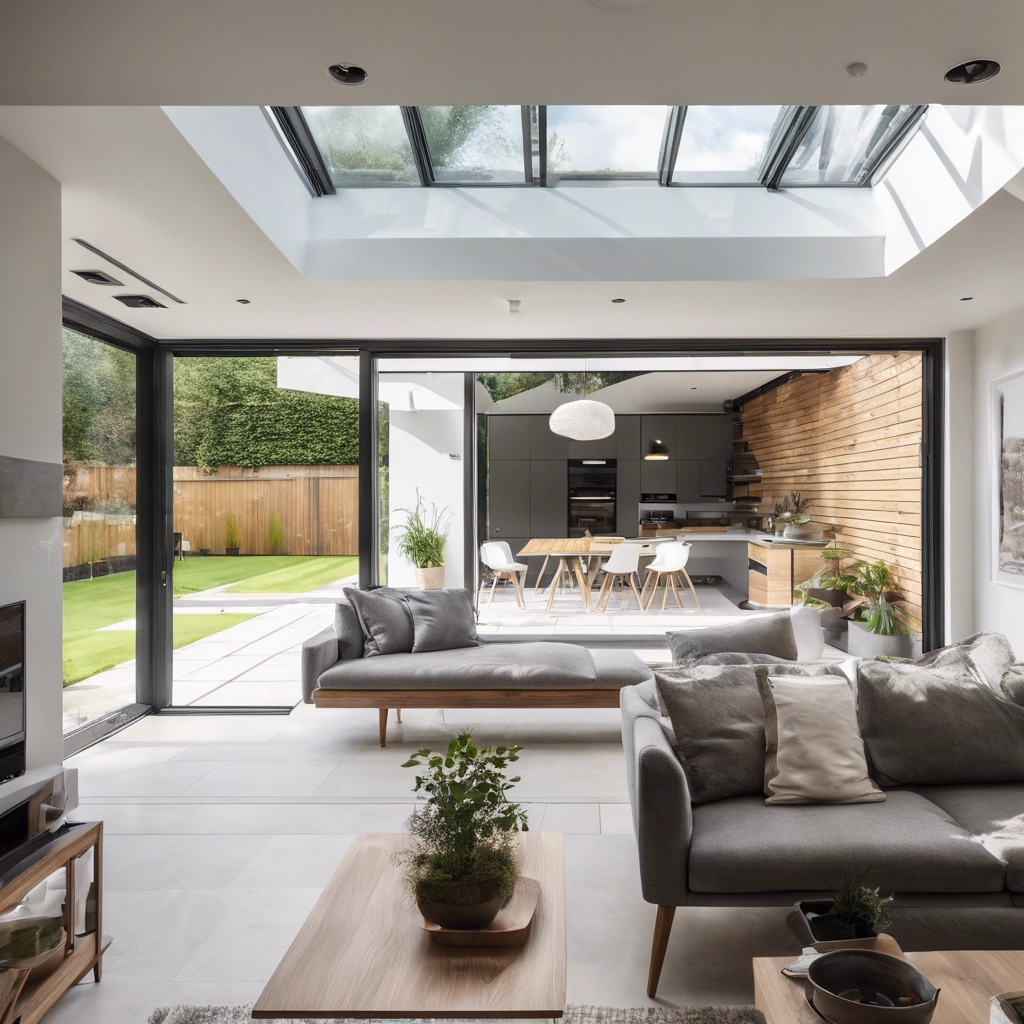
3 Meter House Extension: Maximize Your Space Facing storage-related issues is very common among modern homeowners. A family begins with two people in love coming together to make the home of their dreams, and with time, this small family of two extends to welcome more happiness. Living with kids or parents and extended relatives is undoubtedly fun, but that also gives rise to many problems, such as the mess kids make at home and the need for more storage space when the demands for amenities keep increasing.  The best way of dealing with storage and space-related issues and making your homes look less messy is to consider a house extension service that helps maximize the space of your home. A 3 meter house extension is the single solution to all your complaints and problems. You can create a new bedroom, a more spacious kitchen, an even bigger bathroom, or a large living room with an extension service and let go of space-related worries forever. Why Consider a 3-Meter House Extension? If your home is becoming more and more cluttered and you are constantly worrying about where to keep what and are putting great efforts into making your home look clean, it is high time to consider extensions. A 3 meter house extension is your ultimate solution to let go of space-related issues and make the most of your home’s space. But as you know, the house extension cost can be high, depending on the requirements, so is it a worthwhile financial decision?  3-meter house extensions are definitely worth it, and here are five solid reasons why you should not hesitate anymore: They help you welcome extra living space. You can introduce brand-new kitchen and bathroom ideas and designs. Extensions are much cheaper than buying and shifting to a new home with more space. You have the freedom to personalize the interior with your unique ideas. The budget is in your hands, and you decide where to spend and where not. A 3-meter extension property in The Hollows, Brentford, London.  Click here Benefits of Extending Your Home with Lasting ltd Lasting ltd is your one-stop solution if you are seeking single-storey, double-storey, detached, or semi-detached house extension services. A leading construction company in West London, Lasting ltd is an NHBC-registered company with strong values for customer satisfaction and delivering high-quality projects. If you want to make a trusted choice and ensure your money does not go to waste, Lasting ltd is the only name you must be looking for. The benefits you get from making Lasting ltd your house extension partner are: Hassle-free expert consultations. Get your project designed with economical packages and uncompromising quality. No worries relating to local codes and regulations. Work with a team of highly skilled professionals comprising designers, engineers, architects, and project managers. Get projects delivered on time with the highest standards.  Understanding 3-Meter House Extensions Before making that final decision, you must deeply understand what 3-meter house extensions are and how they can benefit your homes that are facing space issues. House extensions are one of the most popular choices among contemporary homeowners these days, and the best part is that these services are affordable. You can design your budget and the features that you want to introduce during extensions. In this way, you save a lot on budget and also your personal touch in every corner.  What is a 3 Meter House Extension? One of the most popular types of extensions preferred by modern homeowners is a 3 meter house extension, but what is this extension all about? 3-meter extensions are the extensions that allow you to maximize or create additional space in the kitchen, living room, bedrooms, and also bathrooms. As the name suggests, these extensions will enable you to add at least three meters of extra space.  Choosing kitchen 3 meter house extension services from a professional will not drain your finances; instead, they are much more budget-friendly than other renovation services. Therefore, a 3-meter kitchen or house extension offers you the best space solutions without crossing your budget.  Popular Types of 3 Meter Extensions 3-meter extensions are becoming increasingly popular among homeowners across the UK. The most common types of extensions they demand are:  Kitchen Extensions A 3 meter kitchen extension can bring massive changes to your narrow and small kitchens. If you have been suffering from a lack of space and storage facilities lately, extending your kitchen by 3 meters can not only offer an enlarged space but also make it more functional. Enclosed kitchens with less or no natural light are of no good, and 3-meter extensions are excellent ways to solve space-related issues and increase storage facilities.  A 3-bedroom apartment in Coronation Square, London, that has gone through 3-meter kitchen extension recently.  Bathroom Extensions Adding 3 meters of extra space into your bathrooms or introducing a brand-new bathroom for the family is an excellent idea as it enhances the value of your property and also elevates your standard of living. After all, who does not love to spend time in extra spacious bathrooms? Bathroom extensions can help you make good impressions when guests arrive or add more privacy to your life with that extra space.  A newly-extended bathroom in a 2-bedroom duplex flat in Tooting, Wandsworth.  Rear Extensions Most popular among single-storey homeowners, rear house extensions are an incredible way to enhance the look of your homes and add extra space. If you have a large garden or space at the back of your home, you can utilize that extra space to create functional areas like an extended living and dining room or an airy and bright study room. The best part about choosing this type of extension is the rear extension cost, which is marginally low when compared to other home extension types like the side-return or wrap-around.   Below is a brand-new rear extension property on Aylestone Avenue, London.  Single-Storey and Double-Storey Extensions Single and double-storey extensions provide you with a lot of choices when adding space. You can create more

3-meter-house-extension Read More »

Chat with LASTING LTD